iHEALTH brings together interdisciplinary teams of experts to address the challenges of health engineering (starting with medical imaging) in an interdisciplinary and synergistic way in close collaboration with hospitals, industry and a broad national and international scientific network. Our researchers, from the Pontificia Universidad Católica de Chile, Universidad de Chile and Universidad de Valparaíso along with other associated universities, are experts in medical imaging/engineering; artificial intelligence for images, signals and natural language; physiology and clinical/translational research, among others.
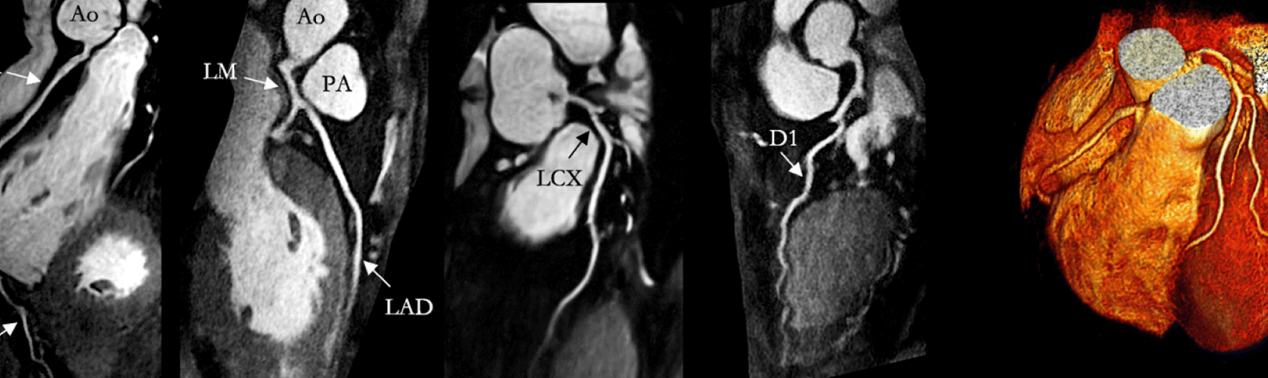
Bringing together medical imaging physics, engineering, artificial intelligence, and medicine to improve healthcare
Healthcare concerns
Healthcare and medical imaging in particular, is under big pressure due to rising costs, shortage of highly trained staff, inefficient early diagnosis, and limited access.
Our Mission
Our mission is to develop innovative methods that integrate medical imaging physics, engineering, and artificial intelligence (AI) to improve medical imaging-based healthcare by making it more accurate, efficient, and effective, and in the long term, more affordable and accessible to all Chileans.

Improving Image-Based Medical Care
Interdisciplinary Teams
Research Topics
Medical imaging technologies for early and non-invasive diagnosis of pathologies; inverse problems for the reconstruction of medical images and decrease in scanning times; Physics-informed artificial intelligence methods for medical imaging acquisition, processing and diagnosis; reliable and explainable artificial intelligence methods that integrate medical imaging with other clinical patient data; Image-based biomarkers and physiological sensors for early diagnosis and characterization of cardiovascular, liver and oncological diseases.
Responsible Research
Responsible research initiative (RRI) is a framework that recognizes research and innovation as a collective responsibility, which requires commitment among funders, researchers, stakeholders and the general public, to meet, in the best possible way, social needs in an ethical and responsible way to address the great challenges facing our societies.
Commitment
iHEALTH is especially committed to the development and promotion of RRI, and we expect our researchers and practices to follow the fundamental principles of this framework, including research ethics and integrity, open access to research results, public participation and gender equality.
